Eye Conditions
Understanding Eye Conditions for Better Vision Health
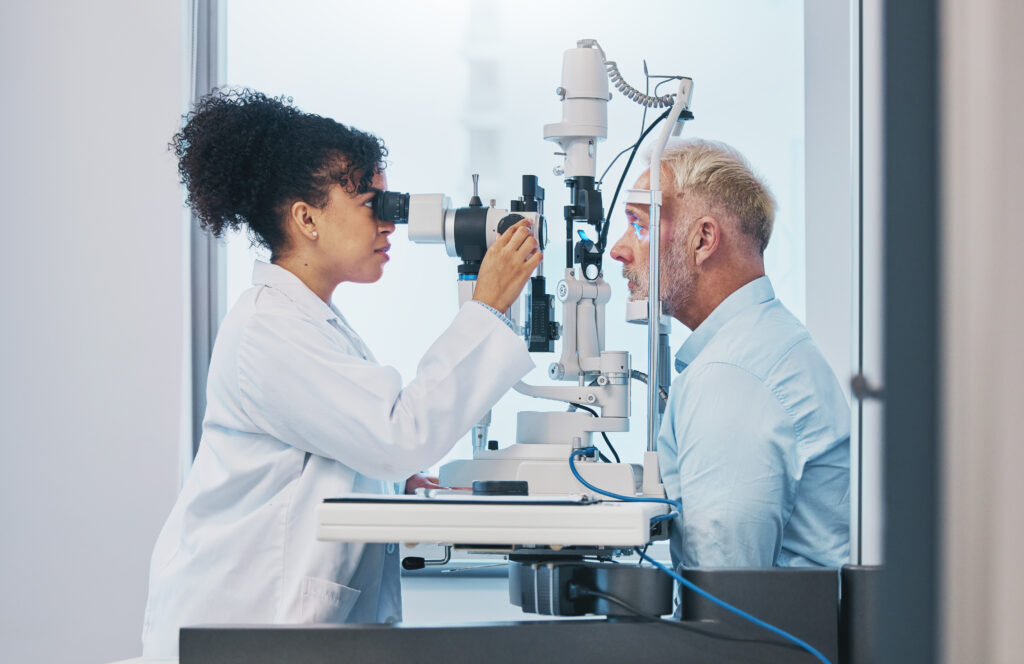
At Ophthalmology New Jersey (ONJ), we believe that knowledge is the first step toward protecting your sight, so we strive to educate every patient on their conditions and treatment. Our specialists diagnose and treat a wide range of eye conditions, from common concerns like dry eye and eye allergies to more complex issues such as glaucoma, retinal disease, and corneal disorders. By combining advanced technology with compassionate care, we help patients understand their conditions, explore treatment options, and take confident steps toward healthier vision.
Cataracts
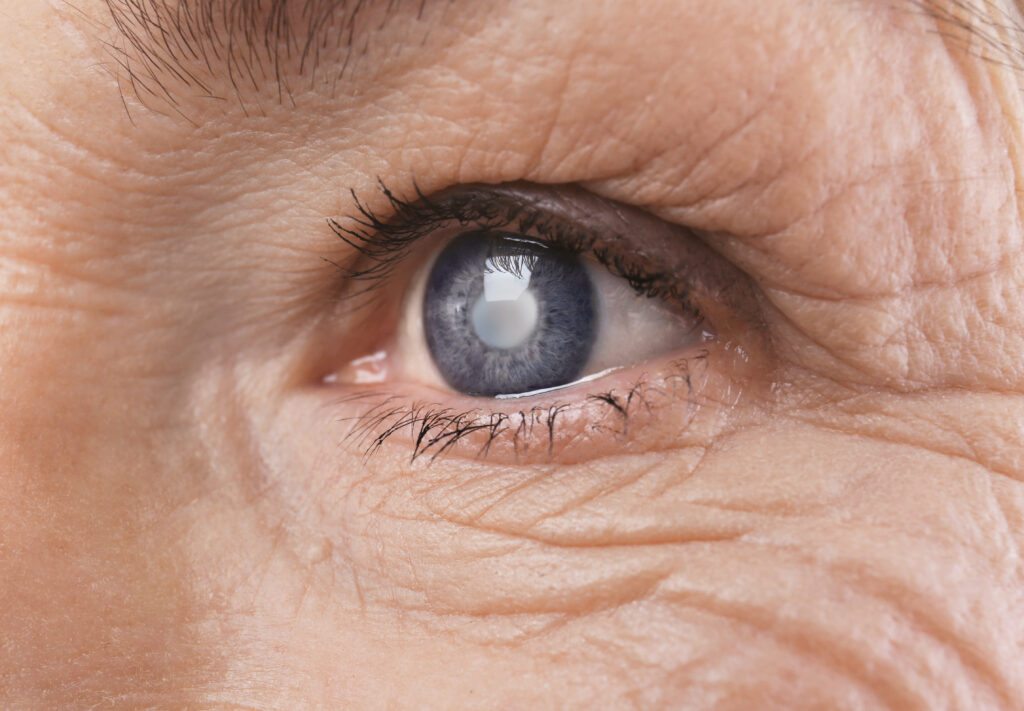
Cataracts occur when the natural lens of the eye becomes cloudy, leading to blurred or dim vision, glare, and difficulty with daily activities. They often develop slowly with age, but certain conditions or trauma can dramatically accelerate their formation. Advanced surgical treatments are available to safely restore clear sight and improve the quality of life with the goal of reducing your dependence on glasses or contacts to the greatest extent possible.
Glaucoma (including anatomic narrow angle, angle closure, and open angle)
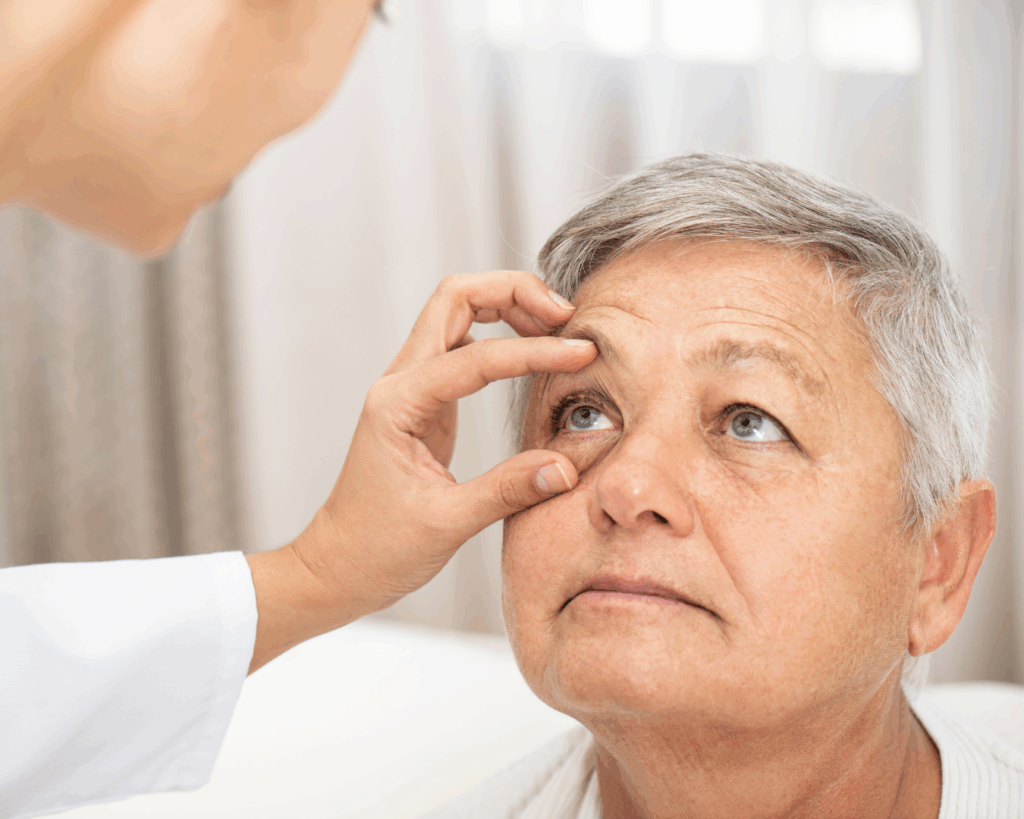
Glaucoma is a group of eye conditions that describes damage to the optic nerve, often due to elevated eye pressure, causing vision loss. Because this vision loss frequently occurs in the peripheral vision first, it can progress silently without noticeable symptoms until central vision loss occurs. That is why regular screenings and early treatment are so crucial, so early intervention can slow or prevent irreversible vision loss. Types of glaucoma include open-angle, angle-closure, and narrow-angle.
Corneal Diseases (ABMD, Fuchs’ Dystrophy, Pinguecula)

Dry Eye Disease
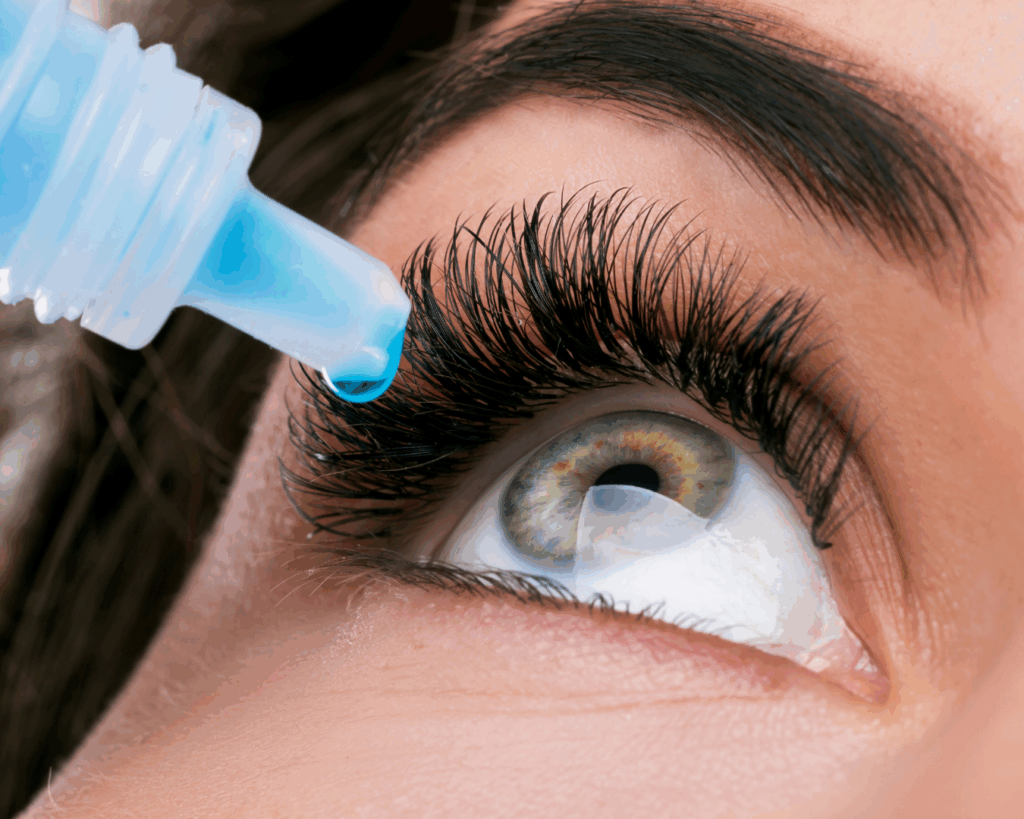
Dry eye disease happens when the eyes don’t produce enough tears or when the tears evaporate too quickly. Symptoms include irritation, burning, blurred vision, and sensitivity to light. Diagnosis and treatment can help restore comfort and protect the surface of the eyes.
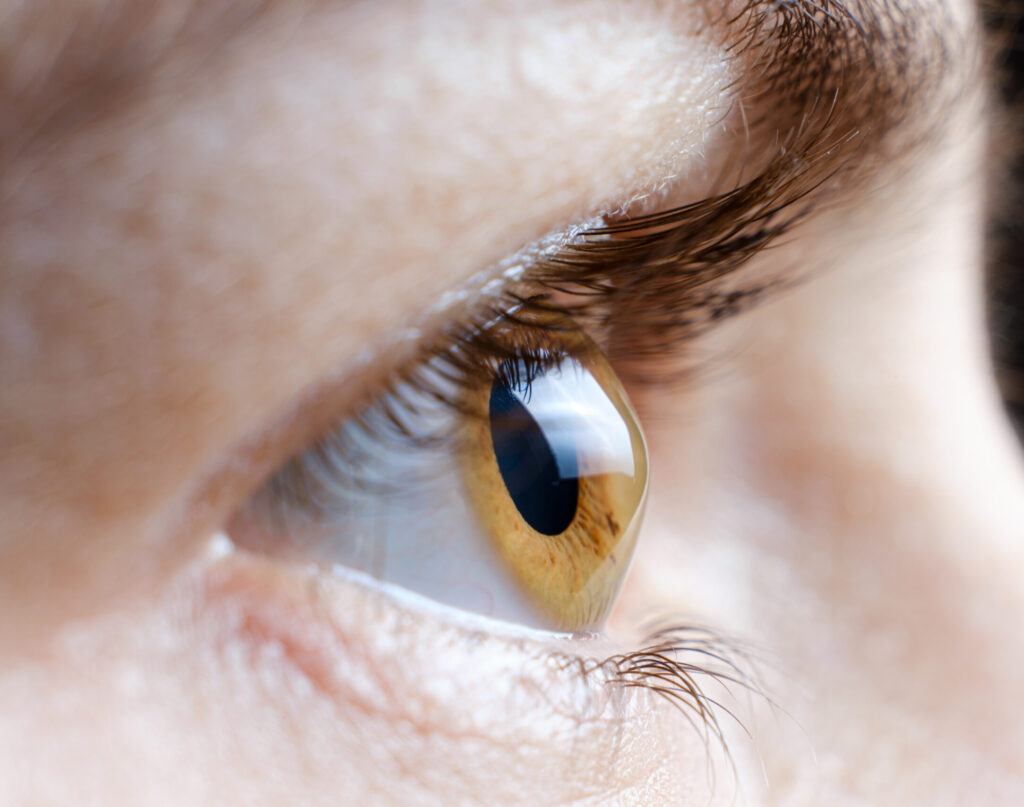
Keratoconus
Keratoconus is a progressive condition where the cornea becomes thin and cone-shaped, causing distorted vision and increased sensitivity to light. Advanced testing and treatment options, such as corneal cross-linking or specialty lenses, can slow progression and improve vision.
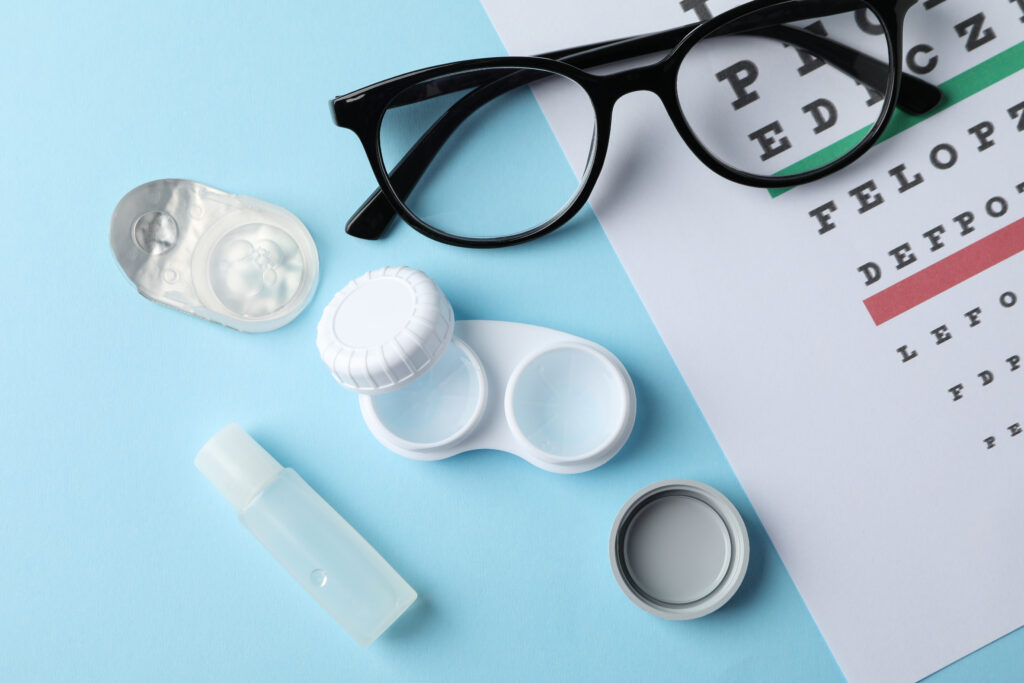
Contact Lens-Related Infections
Improper contact lens use can sometimes lead to eye infections, which may cause redness, pain, discharge, and even vision loss if untreated. Prompt evaluation and treatment are essential to protect the health of the cornea and restore comfort.
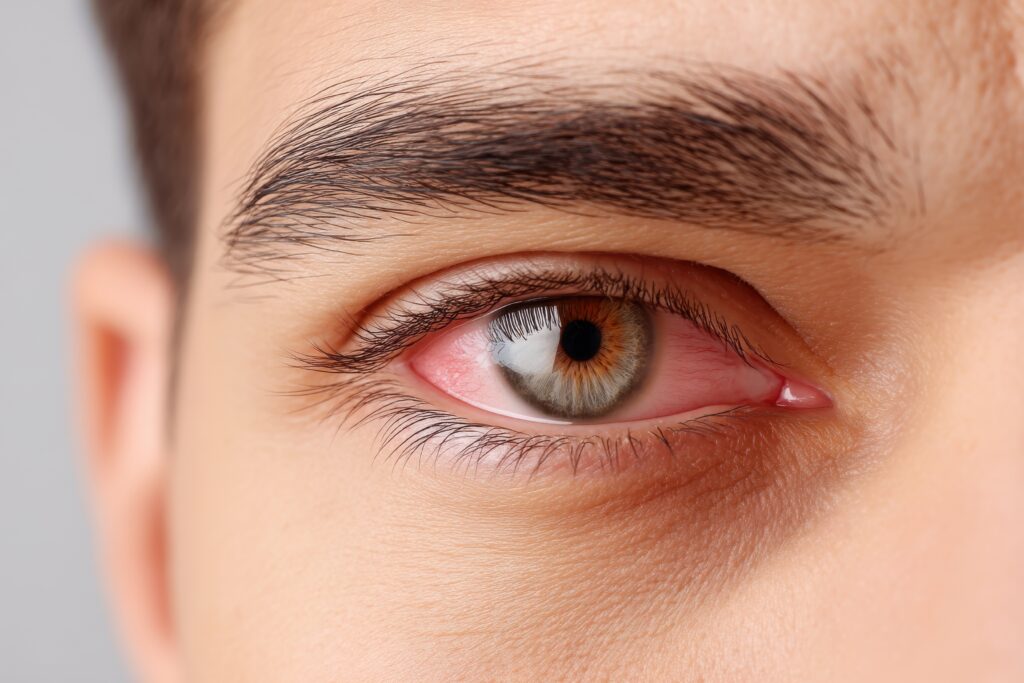
Blepharitis
Blepharitis refers to a common condition marked by inflammation of the eyelid margins, often leading to redness, itching, and crusting around the lashes. It can result from bacteria, skin conditions like rosacea, or clogged oil glands. Treatment typically includes warm compresses, gentle eyelid cleansing, and sometimes prescription medications to reduce inflammation and control infection
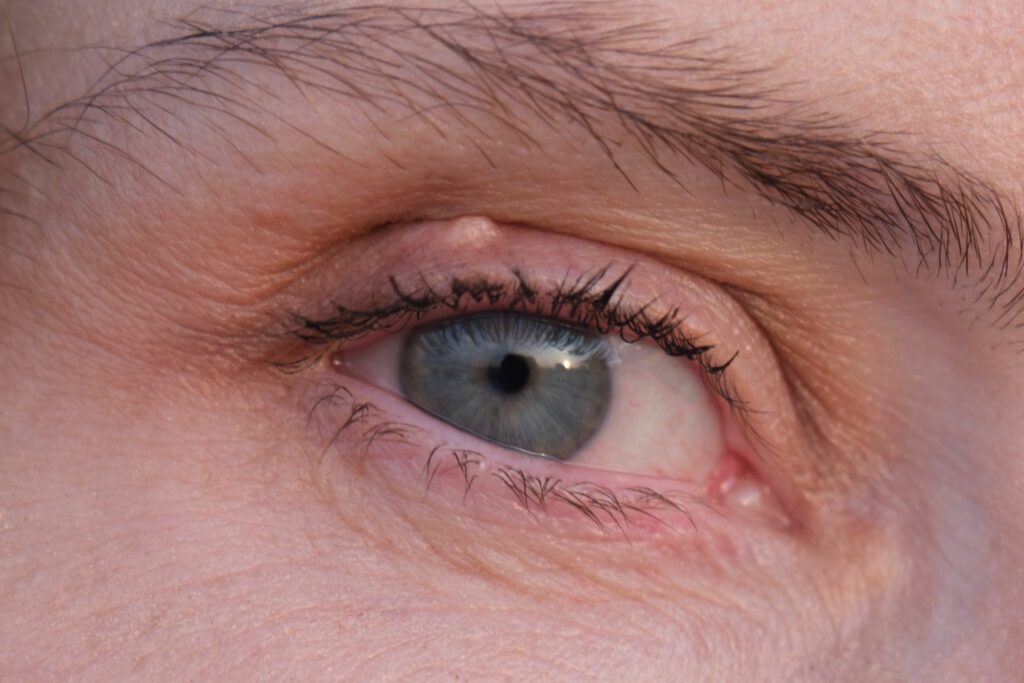
Chalazion/Stye
Chalazia and styes are both common eyelid bumps, but they develop in slightly different ways. A stye is usually a red, tender lump caused by an infection of an eyelash follicle or oil gland, while a chalazion is a firm, often painless swelling that forms when an oil gland becomes blocked. Both can cause eyelid swelling, discomfort, or irritation. Initial treatment for either often includes applying warm compresses several times a day to help reduce swelling and promote drainage. Styes may also require gentle eyelid cleansing, and in some cases, antibiotic ointment or drops if an infection is present. Chalazia that do not improve with home care, or styes that persist, may need further treatment from an eye doctor, such as a minor in-office procedure to drain the bump or prescription medication to reduce inflammation
Eye Allergies
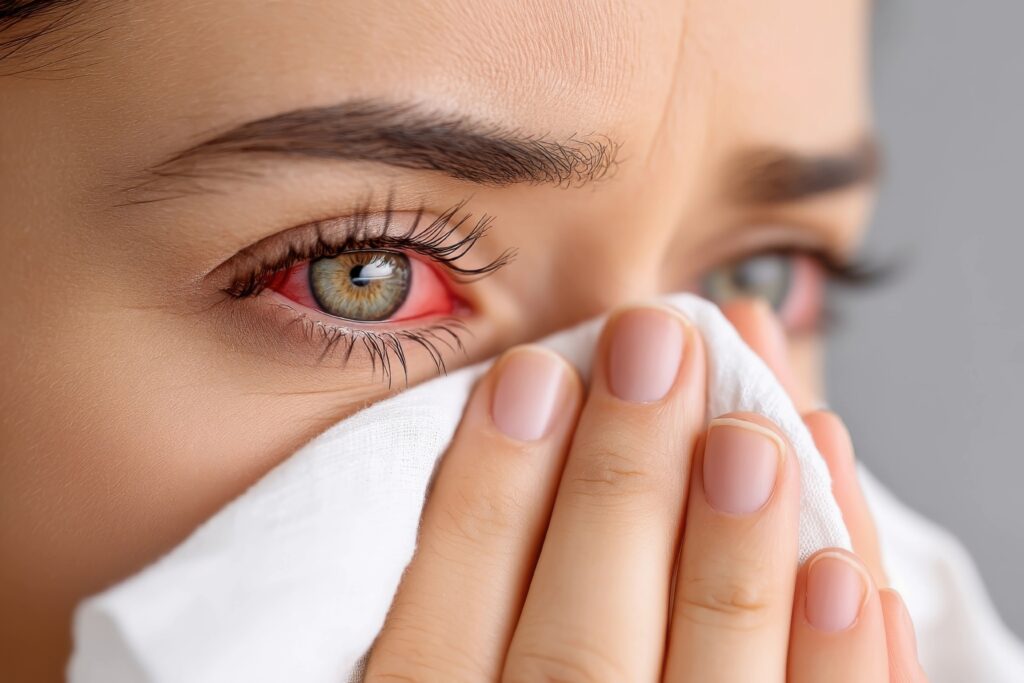
Eye allergies, or allergic conjunctivitis, cause red, itchy, watery eyes in response to allergens such as pollen, dust, or pet dander. While often seasonal, symptoms can interfere with daily life. Treatments may include prescription drops and strategies to minimize exposure.
Pterygium (“Surfer’s Eye”)
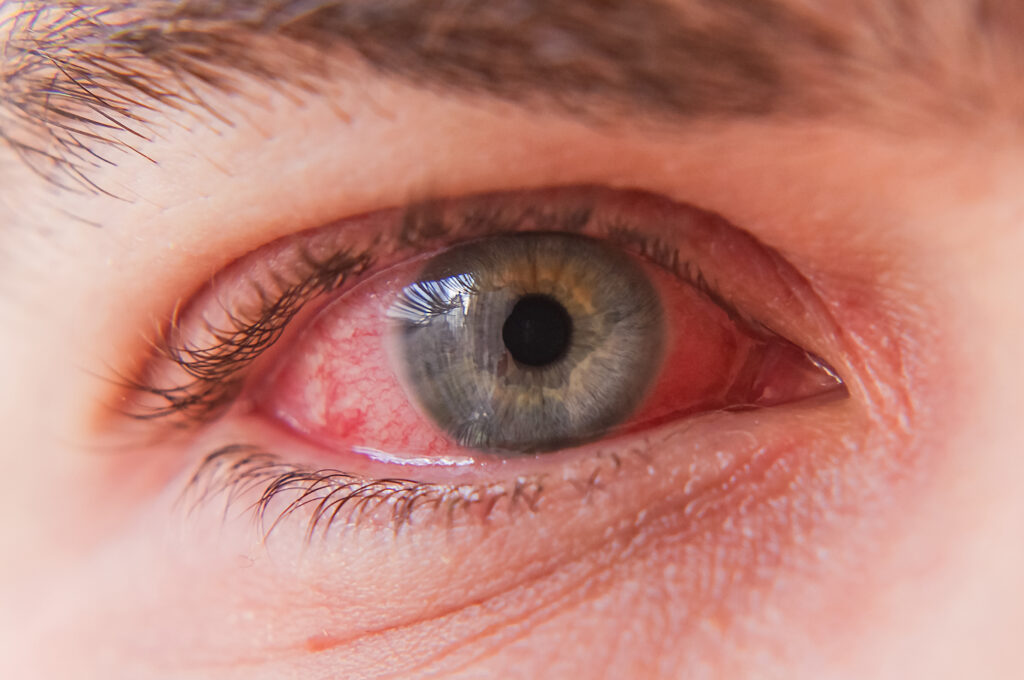
A pterygium is a non-cancerous growth of tissue on the white part of the eye that can extend onto the cornea, often caused by long-term exposure to sunlight, wind, or dust. It may cause redness, irritation, or blurred vision if it grows large enough to affect the eye’s surface. Treatment ranges from lubricating eye drops for mild cases to surgical removal for more advanced growths that interfere with vision or comfort.
Red Eyes
Trichiasis, entropion, ectropion
Trichiasis, entropion, and ectropion are eyelid conditions that can affect eye comfort and health. Trichiasis occurs when eyelashes grow inward toward the eye, rubbing against the cornea and causing irritation or damage. Entropion is when the eyelid turns inward, causing the lashes and skin to rub on the eye’s surface, while ectropion is when the eyelid turns outward, exposing the inner eyelid and leading to dryness, tearing, or irritation. Treatments vary depending on severity and may include lubricating eye drops or ointments to protect the eye, removal or redirection of misdirected lashes, and minor surgical procedures to reposition the eyelid for lasting relief and to prevent further damage. Early evaluation by our eye doctors can help protect vision and improve comfort.
Diabetic Retinopathy
Diabetic retinopathy is an eye condition caused by damage to the blood vessels in the retina due to high blood sugar levels. It can lead to blurry vision, floaters, or even vision loss if left untreated. Regular eye exams and good diabetes management are key to protecting your sight and catching changes early.

Epiretinal membrane
An epiretinal membrane (ERM) is a thin layer of scar-like tissue that can form on the surface of the retina, the light-sensitive layer at the back of the eye. This membrane can cause the retina to wrinkle or contract, leading to blurred or distorted vision, and sometimes difficulty reading or recognizing faces. In many cases, ERMs are mild and may not require immediate treatment—your eye doctor will simply monitor them with regular exams. If vision becomes significantly affected, the most effective treatment is a surgical procedure called a vitrectomy with membrane peel, in which the membrane is carefully removed to help improve or stabilize vision. Early detection through routine eye exams is important for managing symptoms and preserving sight.
Hypertensive Retinopathy
High blood pressure can affect the delicate blood vessels in the retina, leading to a condition called hypertensive retinopathy. It may cause vision changes or go unnoticed until damage occurs. Regular eye exams are essential for monitoring and protecting long-term eye health.
Macular Edema
Macular edema refers to swelling of the macula, the part of the retina responsible for sharp, central vision. It can result from conditions like diabetes or retinal vein blockages and often causes blurred or distorted sight. Treatments such as medication or laser therapy can help preserve vision.
Retinal Tears and Detachments
A retinal tear or detachment is a serious condition that can cause sudden flashes of light, floaters, or a curtain-like shadow across your vision. These conditions require urgent attention to prevent permanent vision loss, and prompt surgical or laser treatment can often save sight.
Uveitis
Uveitis is inflammation inside the eye that can affect vision and cause pain, redness, and sensitivity to light. It may occur suddenly or become chronic. Early diagnosis and treatment are important to control inflammation and protect against long-term damage.
Amblyopia
Commonly known as “lazy eye,” amblyopia occurs when one eye does not develop normal vision during childhood. It is often related to strabismus (eye misalignment) or differences in prescription between the eyes. Early treatment with glasses, patching, or other therapies can help improve vision development.


Diplopia
Double vision that resolves when one or the other eye is closed is due to non-fusion of the images between both eyes. Most commonly this occurs intermittently but if bothersome can be corrected with prism placed in a glasses prescription. Double vision that occurs suddenly and is constant needs immediate further evaluation in order to rule out rare but serious disease processes (tumor, aneurysm, vasculitis, etc).
Strabismus
Strabismus is a condition where the eyes are misaligned, pointing in different directions. It may be constant or occasional and can affect both children and adults. Treatments may include glasses, exercises, or surgery to align the eyes and improve both vision and appearance.


Presbyopia
Presbyopia is an age-related condition where the eye gradually loses the ability to focus on close objects, making reading or near work more difficult. Reading glasses, bifocals, or advanced corrective procedures can restore clear near vision and reduce frustration with everyday tasks.
Floaters / Vitreous Opacification